01
Discover
Begin with what your family already knows. We help you organize surnames, locations, oral traditions, and existing documents into a research foundation.
Learn more about the Discover step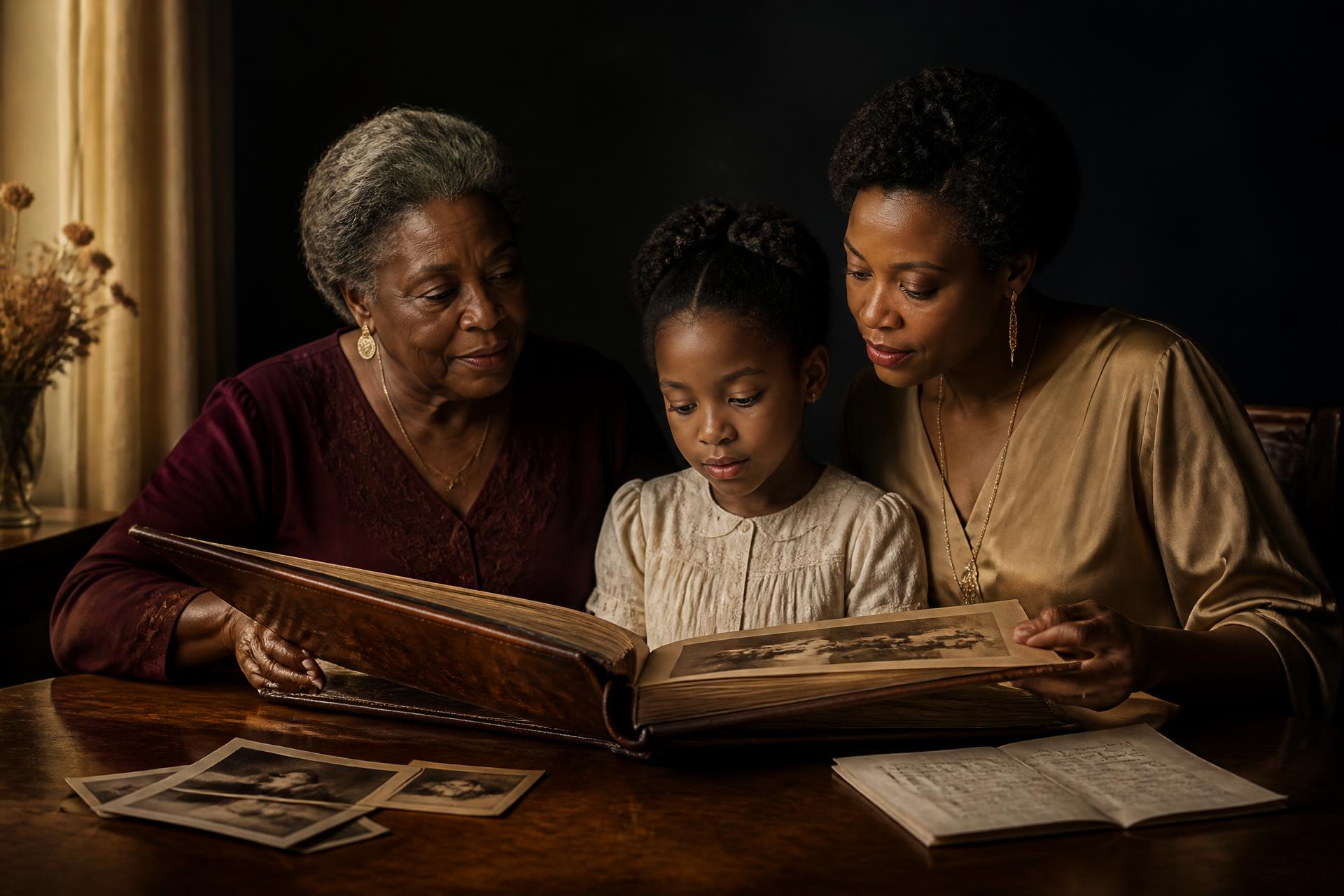
Black Lineage & Heritage Institute
The Institute helps Black American families recover the names, records, stories, and connections that slavery, forced displacement, and discriminatory recordkeeping tried to erase — and preserve what survived for the generations still to come.
Discover
Names, records, and stories
Document
Family archives that endure
Preserve
Heritage held in trust
Why the Institute Exists
For more than four centuries, the records that shaped Black American life were written by institutions that did not consider our families whole — ledgers of sale, plantation inventories, incomplete censuses, misfiled Freedmen's records, and vital documents lost to segregation, fire, and neglect.
The Black Lineage & Heritage Institute exists to give descendants — and especially the descendants of people enslaved in the United States — the tools, records, education, and institutional support required to reclaim what survived and preserve it with dignity.
This is not a search engine. It is the beginning of a national institution built for generations.
The Institute is under active development. Program availability, leadership, and governance information are published as they are verified.
How the Institute Helps Families
Every family enters this work in a different place. Our framework meets you where you are — from the very first surname to a fully documented, preserved family archive.
Begin with what your family already knows. We help you organize surnames, locations, oral traditions, and existing documents into a research foundation.
Learn more about the Discover stepAccess guided research paths through census, Freedmen's Bureau, church, cemetery, military, and migration records — with education at every step.
Learn more about the Document stepBuild a private digital archive for your family — photographs, letters, oral histories, and documents — safeguarded on your terms.
Learn more about the Preserve stepContribute to a shared cultural inheritance. Recovered names, community histories, and family stories join a living heritage held in trust.
Learn more about the Connect step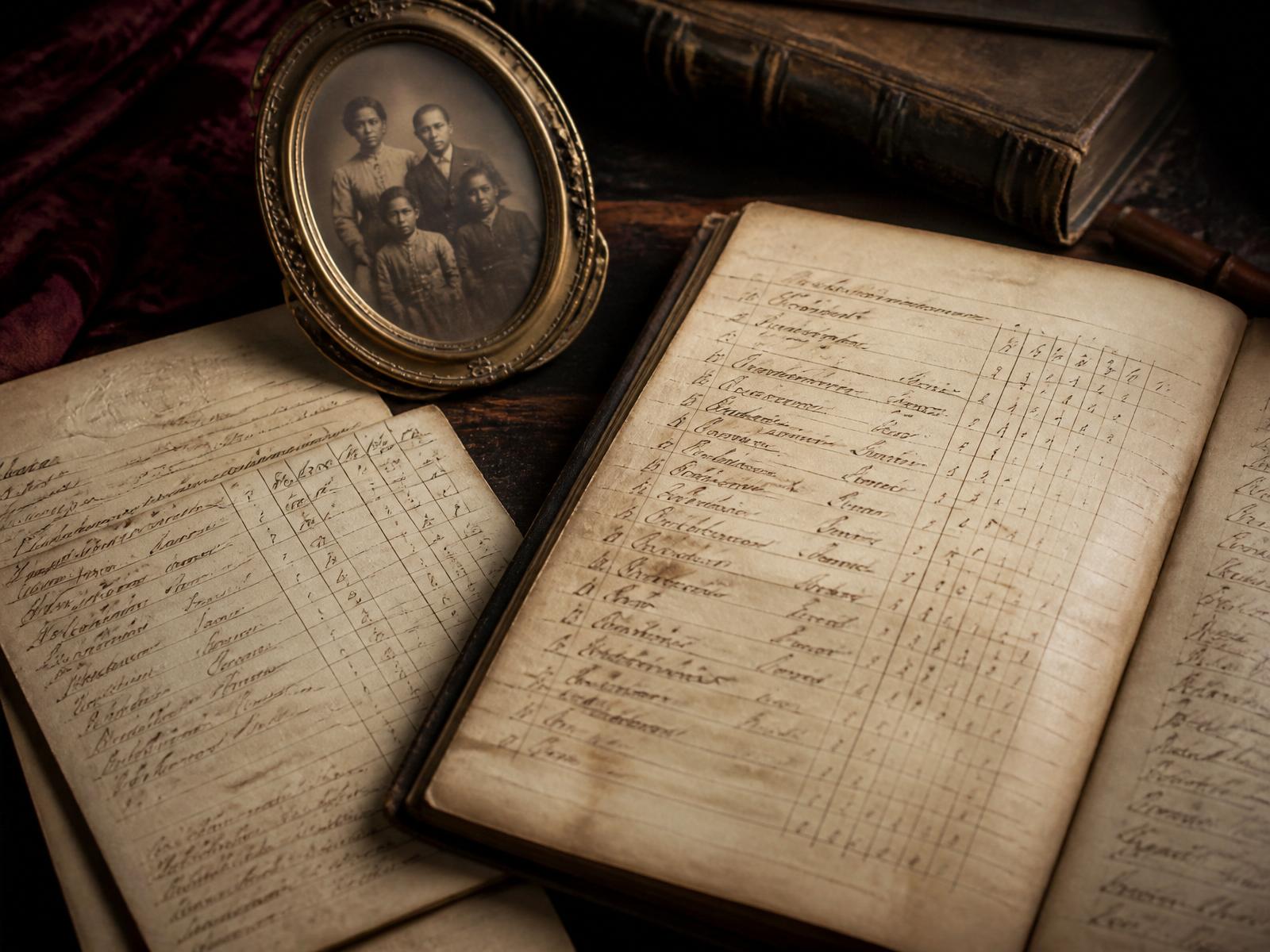
Illustrative — not an identified ancestor
Our Standard
The Institute is committed to primary-source scholarship. Every claim, every connection, and every recovered name is grounded in documents that can be examined, cited, and preserved.
What We Are Building
Every program below is labeled with its current development status. We do not present future work as operational.
Guided research paths and one-on-one support for families beginning or extending their genealogical work.
Learn more about Family Lineage ResearchA dedicated program focused on the descendants of people enslaved in the United States — with attention to the historical and legal significance of Freedmen lineage.
Learn more about Freedmen Lineage DocumentationRecording, transcribing, and preserving elders' testimonies so that memory does not depend on any single generation to survive.
Learn more about Oral History PreservationSecure, private digital archives where families can store photographs, documents, and stories under their own permissions.
Learn more about Digital Family ArchivesNeighborhood, church, and town-level documentation efforts led with and for the communities they honor.
Learn more about Community Heritage ProjectsCurriculum, fellowships, and student-led research partnerships with HBCUs and other institutions.
Learn more about Youth & University EngagementA Historical Timeline
Understanding what was recorded — and what was not — is the first step in recovering a lineage.
Pre-1865
Enslaved ancestors appear in ledgers, wills, and inventories — often without full names, ages, or family connections.
1865–1872
Marriage registers, labor contracts, hospital ledgers, and school records begin naming Black Americans as full persons for the first time.
1870–1940
Census rolls, church minutes, land purchases, and community newspapers begin to preserve the fabric of daily Black life.
1910–1970
Families scatter across the country. Names change, birthplaces are lost, and connections to home communities are strained.
Today
New tools, new access to archives, and new institutions — including this one — make disciplined recovery of lineage possible.
Professional portrait pending — placeholder image
A Note From the Founder
“Many Black American families have been denied the same clear connection to ancestry, nationality, and cultural inheritance that other communities are often able to claim. The Institute exists to help us recover it — with rigor, dignity, and permanence.”
Reechad McCampbell
Founder and Executive Director
Reechad McCampbell founded the Black Lineage & Heritage Institute to build a credible national institution devoted to recovering names, records, stories, and generational connections disrupted by slavery, forced separation, discriminatory recordkeeping, racial violence, and institutional neglect. The Institute is being developed through community collaboration, university engagement, historical research, genealogy education, archival preservation, and partnerships with scholars, families, and cultural organizations.
Ways to Participate
There is a role here for every family, scholar, and institution that believes this history is worth recovering — and worth keeping.
Begin your lineage research, preserve your archive, contribute a story.
Volunteer research hours, join advisory committees, contribute expertise.
Partner on student research, fellowships, and community documentation.
Coordinate on access, digitization, and shared preservation standards.
Bring the Institute's work into churches, civic groups, and neighborhoods.
Underwrite programs that build permanent capacity for this work.
Support the Mission
Every contribution helps establish this Institute as a permanent home for Black American lineage and heritage. Give once, or become a monthly sustainer.
The Black Lineage & Heritage Institute, Inc. is currently developing its organizational, financial, and charitable infrastructure. Please review the donation acknowledgment provided at the time of your contribution for current information concerning tax deductibility.
$25
Preserve a Family Story
$50
Expand Record Access
$100
Support Genealogy Education
$250
Build the Digital Archive
Stay Connected
Research milestones, program launches, and invitations to contribute — sent with intention, never in excess.
Newsletter delivery activates when the Institute's email domain is verified.
Begin with one name. One record. One story preserved. The Institute will help you carry it forward.